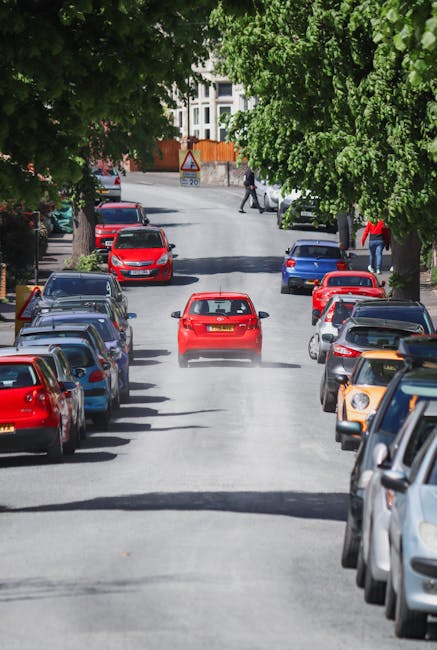
Emerson Park Drive: manoeuvring narrow streets during removals
Posted on 07/05/2026
Moving home on a street that feels just a little too tight for comfort can turn a normal removal day into a careful logistical exercise. Emerson Park Drive is exactly the kind of location where planning, timing, vehicle choice, and loading discipline matter more than brute force. If the road is narrow, access is limited, or neighbours and parked cars reduce turning space, the whole move needs to be handled with a calm, organised approach.
This guide explains how Emerson Park Drive: manoeuvring narrow streets during removals works in practice, why it matters, and how to reduce the risk of delays, damage, or stressful last-minute improvisation. Whether you are moving from a flat, a family home, or a property with awkward frontage, the aim is simple: protect your belongings, keep the move moving, and make the street work for you rather than against you.
For readers planning the wider move, it also helps to think beyond the road itself. Good removal services in Emerson Park, sensible packing and boxes support, and a realistic view of access can make a bigger difference than people expect. On narrow streets, the small decisions are often the ones that save the day.
Why Emerson Park Drive: manoeuvring narrow streets during removals Matters
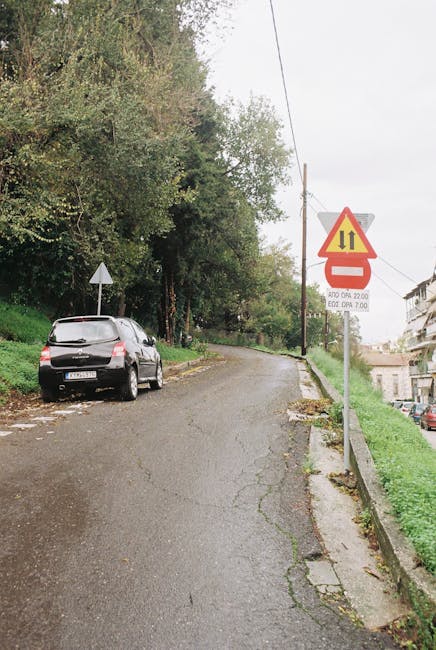
Narrow residential roads change the rules of moving day. A van that would be perfectly manageable on a wider road can become awkward once parked cars, bends, gates, low trees, or tight passing spaces come into play. On streets like Emerson Park Drive, the issue is not only whether a vehicle can enter; it is whether it can enter, stop, load, reverse, and leave safely without creating avoidable disruption.
That matters for three reasons. First, it affects time. If the crew has to park farther away than planned, every item takes longer to move. Second, it affects safety. More hand-carrying across a longer distance means more lifting, more fatigue, and more chance of bumps against walls, railings, or door frames. Third, it affects the wider neighbourhood. A move that blocks access, blocks drives, or forces risky manoeuvres can create friction with neighbours and add pressure to an already busy day.
In practical terms, good street manoeuvring is not about squeezing the largest possible van into the smallest possible space. It is about selecting the right vehicle, planning the approach, and keeping the load path as short and controlled as possible. That is why experienced movers assess access early and often, rather than waiting until the van turns up and hoping for the best. Truth be told, hope is not a reliable moving strategy.
If you are still at the planning stage, it can help to pair access planning with broader preparation. Guides like decluttering before a move and packing your belongings properly reduce the number of trips and make narrow access much easier to manage.
How Emerson Park Drive: manoeuvring narrow streets during removals Works
The process begins before anyone lifts a box. A careful removal team will usually assess the route, the frontage, the available parking, and the space needed for loading or reversing. They will consider the size of the removal van, how sharply it may need to turn, where it can pause without causing a problem, and how far items need to travel between the property and the vehicle.
From there, the move is normally broken into controlled stages:
- Pre-move access check - identifying turning points, pinch points, and likely obstructions.
- Vehicle selection - choosing a van that is large enough for efficiency but small enough for the road layout.
- Loading plan - deciding which items come out first, where they will be staged, and how they will be carried.
- Traffic and neighbour awareness - keeping the street usable where possible and avoiding careless blocking.
- Final exit strategy - ensuring the vehicle can depart without repeated shunting or unsafe reversing.
In a tight setting, the job often benefits from a man with a van in Emerson Park approach rather than an oversized vehicle that creates more problems than it solves. That does not mean "small" is always best. It means the vehicle should match the road, the load, and the practical reality of the property.
Where larger or more delicate items are involved, a different plan may be needed. For example, a sofa may be fine on a short route, but a piano, bed frame, or fridge may need more careful handling and a more structured path. If you are moving specialist items, the advice in safe piano relocation guidance can be especially relevant.
Key Benefits and Practical Advantages
Handled properly, narrow-street removals can still be smooth, efficient, and relatively low-stress. The main advantage is control. When the route is planned well, the team is less likely to improvise under pressure, and that usually means fewer mistakes.
Other benefits include:
- Shorter handling time because routes are planned instead of improvised.
- Lower damage risk because there are fewer awkward turns and fewer rushed lifts.
- Better neighbour relations because access is managed respectfully.
- Improved scheduling because the crew can estimate the move more realistically.
- Less fatigue for everyone involved, especially on larger domestic moves.
A less obvious benefit is psychological. Narrow access can make people anxious before the move even starts. Once the plan is clear, that anxiety drops quickly. You know where the van will wait, which items are coming out first, and how the team will work. That calm is valuable. In our experience, calm movements are usually safer movements.
There is also a practical financial angle. A move that is properly planned is less likely to be slowed down by repeated repositioning, missed parking opportunities, or avoidable second trips. If you want to understand how a job is typically quoted and where access can influence cost, it is worth reviewing pricing and quotes information before the move date.
Who This Is For and When It Makes Sense
This kind of planning is relevant for anyone moving from a property with limited frontage, shared access, tight kerbs, parked cars on both sides, or an awkward bend near the entrance. It is especially useful if you are moving from a terraced home, a maisonette, a flat with a narrow stairwell, or a house where the van cannot sit directly outside for long.
It also makes sense when:
- you have bulky furniture that needs longer carrying distances;
- you are moving on a busy day with other vehicles in the road;
- you are working to a tight schedule and need the load plan to be efficient;
- you have fragile items that should not be repeatedly repacked or rehandled;
- you want to minimise disruption for neighbours or building users.
Students, renters, families, and small businesses all run into access issues in different ways. A student move might be light but quick, which means a compact vehicle and fast loading can be ideal. A family move may need more space and a stronger staging plan. Office moves, meanwhile, often need timing discipline because deliveries, staff, and shared entrances all come into play. If that sounds familiar, office removals in Emerson Park can benefit from the same access-first thinking.
For flat moves, the mix of narrow streets and internal access can be especially tricky. That is where flat removals in Emerson Park become most dependent on careful sequencing, sensible packing, and a van positioned where it can work efficiently without overcomplicating the route.
Step-by-Step Guidance
If you want a simple, reliable framework for narrow-street removals, use this sequence.
- Map the access in advance. Walk the route from the property to the likely van position. Note gates, bollards, steps, tight corners, and anything that may obstruct a loaded trolley or large item.
- Measure the awkward items. If you have sofas, mattresses, wardrobes, or pianos, know their approximate dimensions before the move. This helps avoid unpleasant surprises at the doorway.
- Reduce what needs moving. Fewer items mean fewer trips. A pre-move purge can have a major impact. If you need a practical starting point, decluttering before moving is a sensible first step.
- Pack for easy handling. Boxes should be sealed, labelled, and not overloaded. Light but awkward boxes are easier to move through tight spaces than heavy, unstable ones.
- Decide the van position. The vehicle should ideally stop where access is shortest and safest, even if that means not parking directly on the door line.
- Stage items near the exit. Keep a clear route inside the property so the team can move steadily without turning around in confined hallways.
- Load in the right order. Items needed first at the destination should be easiest to access in the van, while fragile items should be secured and isolated properly.
- Check the exit plan before departure. Make sure the van can leave without a difficult reverse or a last-second reposition.
A useful rule of thumb: if the movement feels rushed, the plan is too loose. Slow is not the same as inefficient. In a narrow street, controlled pace is often the fastest route to a clean finish.
Expert Tips for Better Results
Experienced movers tend to rely on a few habits that keep narrow-access jobs under control.
1. Use the shortest safe route, not the shortest imagined one
Sometimes the closest-looking parking spot is actually the worst option because it forces awkward angle changes or leaves no room for safe loading. A spot that is a few metres further away may be far better if it gives a straight carry line.
2. Put the heaviest items on the easiest path
If you know a sofa or washing machine is coming out, make sure that route is clear and that everyone understands the sequence. The same goes for larger furniture pieces covered in furniture removals guidance that emphasises controlled handling and protection.
3. Don't overfill boxes in the name of efficiency
Small boxes packed too heavy become a real problem when the route is tight. They are harder to grip, more likely to tip, and more tiring over repeated carries. A few lighter boxes move far better than one heroic but regrettable one.
4. Think in terms of staging zones
Near the front door, at the top of stairs, and at the van tail-lift if one is used are all separate zones. Clear staging means less congestion and fewer hold-ups.
5. Protect high-risk items before the team arrives
Televisions, mirrors, lamps, and glass shelving should already be protected. That way the crew can move purposefully instead of stopping to improvise wrapping in the street.
6. Keep communication simple
On the day, clear instructions are better than long explanations. If there is a parked vehicle preventing access or a neighbour's gate that needs to stay clear, say so early. It avoids the awkward "we should have mentioned that" moment that every mover recognises immediately.
For heavier loads or awkward lifting, the techniques explained in kinetic lifting and movement efficiency can be a helpful reference. And if you are preparing a bed setup for a tight property, the advice in bed and mattress moving is worth reading beforehand.
Common Mistakes to Avoid
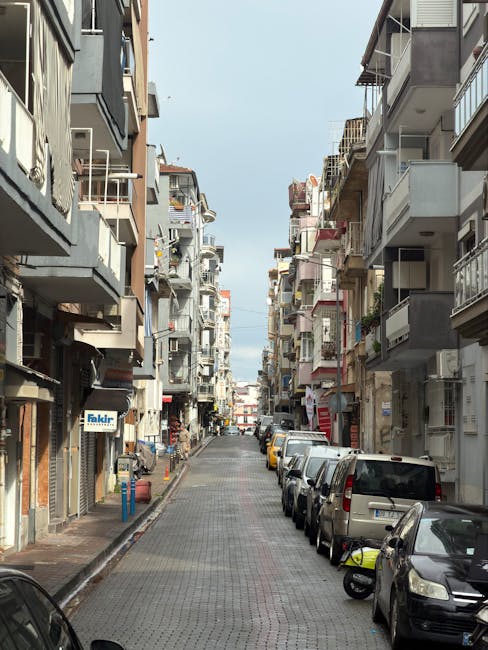
Most problems on narrow streets come from a few predictable mistakes. Avoiding them is often easier than fixing them later.
- Booking the wrong vehicle size. Too large and it cannot work safely; too small and you create extra trips.
- Assuming parking will sort itself out. Parking on a narrow street is a planning issue, not a hope-based one.
- Leaving packing too late. If the boxes are not ready, the vehicle sits idle while everyone scrambles inside.
- Ignoring neighbour access. A blocked driveway or careless stop can create avoidable tension.
- Overloading heavy items. That increases the risk of strains and dropped items, especially over longer carry distances.
- Skipping a final route check. Conditions can change quickly if cars arrive, bins are moved, or a gate is left open or closed.
- Forgetting about weather. Rain makes pavements slick and handling more difficult, especially when carrying large items on a narrow frontage.
One of the most common errors is to treat narrow access as a minor inconvenience. It is not minor. It shapes the entire rhythm of the move. Once you accept that, your decisions get sharper very quickly.
Tools, Resources and Recommendations
You do not need a warehouse of specialist gear to handle a tight removal successfully, but the right equipment matters.
- Furniture blankets and wraps to protect edges and surfaces during short carries.
- Strong removal boxes for stable stacking and easier handling.
- Straps and ties to keep loads secure in the vehicle.
- Protective gloves for grip and comfort on longer carries.
- Two-wheel dollies or sack trucks where the route and surface allow them.
- Door and wall protectors if the internal route is tight.
- Clear labels so the unload is organised rather than chaotic.
Useful preparation also comes from the right information. For example, if you are moving a sofa into storage or out of a narrow house, sofa storage advice and long-term sofa preservation tips can help prevent scuffs and fabric damage. If you need freezer guidance before moving an appliance, the practical notes in freezer storage and care are also relevant.
For many households, the smartest tool is not physical equipment but structured preparation. A good packing method, a realistic timetable, and a van that fits the street are often more valuable than anything else.
Law, Compliance, Standards, or Best Practice
Removal work in the UK does not usually require the reader to navigate a maze of specialist regulation, but a move on a narrow street still needs to follow ordinary road safety, parking, and property-access expectations. The practical standard is simple: do not obstruct traffic unnecessarily, do not create avoidable hazards, and do not place people at risk while loading or unloading.
Good practice typically includes:
- parking only where it is safe and lawful to do so;
- keeping pavements and driveways as clear as possible;
- using suitable lifting techniques and enough people for heavy items;
- protecting communal or private property from damage;
- maintaining clear communication with the customer about access constraints;
- making insurance and safety arrangements transparent before the job begins.
For peace of mind, it is sensible to review insurance and safety information before a move. If you are comparing providers, the relevant terms and conditions and the company's wider health and safety policy should give you a clearer picture of how it handles risk and responsibility.
There is also a practical ethics angle. Good removal firms work carefully in ways that respect the street, the property, and the people around it. That includes fair treatment of workers, responsible disposal where required, and sensible attention to sustainability. If you are interested in this side of the business, recycling and sustainability information is worth a look.
Options, Methods, or Comparison Table
The best approach depends on the road, the load, and how much flexibility you have on the day. Here is a practical comparison of common methods.
| Method | Best for | Strengths | Limitations |
|---|---|---|---|
| Large van positioned as close as possible | Wide enough roads with moderate access | Fewer trips, efficient loading | Can become awkward or unsafe on tight bends |
| Smaller van with shorter carry distance | Narrow streets and limited frontage | More manoeuvrable, easier to place safely | May need careful load planning to fit everything |
| Split load with staged collection | Complicated access or mixed item sizes | Flexible, reduces pressure on one vehicle | Needs stronger organisation and timing |
| Full-service removal team | Bulky, fragile, or higher-volume moves | Less stress, better handling, more coordination | Usually costs more than self-managed options |
If your move is light and the access is manageable, a man and van service can be a practical choice. For larger homes or more involved logistics, house removals in Emerson Park may be a better fit because the planning and manpower scale more naturally.
One more thing: if timing is tight and you need help quickly, same-day removals in Emerson Park can be useful, but only when the access situation is clear enough to avoid rushing into avoidable complications.
Case Study or Real-World Example
Consider a typical moving-day scenario on a narrow residential road. A family is leaving a semi-detached house with a sofa, dining table, bed frame, white goods, and several rooms of boxed items. On paper, the job is straightforward. In reality, parked cars leave only a limited gap near the entrance, and the van cannot safely sit directly outside the front gate for long.
The first sensible move is to reduce load complexity. Boxes are labelled in advance, fragile items are separated, and the furniture is stripped down where possible. The team checks the street before arrival and identifies a position a short walk away that allows safe loading without blocking access. The carry distance is longer than ideal, but the route is clear and the van can be loaded steadily.
Because the team has planned the sequence, the largest items come out first while the pathway is still clean and uncluttered. A mattress moves without turning awkwardly at the pavement edge. The sofa is wrapped before it leaves the house, so doorframes are protected. The result is not dramatic, but that is exactly the point. Good narrow-street removals are usually unremarkable in the best possible way.
This sort of job also shows why preparation matters beyond the street itself. If the team has already handled packing, decluttering, and a sensible load order, the road access issue becomes a manageable constraint rather than a crisis.
Practical Checklist
Use this checklist before removal day.
- Confirm the vehicle size is appropriate for the street.
- Walk the access route from the property to the van.
- Identify any parked cars, bollards, gates, steps, or tight corners.
- Measure bulky or awkward furniture in advance.
- Pack boxes securely and avoid overfilling them.
- Label fragile items clearly.
- Protect floors, doors, and furniture surfaces.
- Plan the loading order before the crew arrives.
- Check whether neighbours need advance notice for temporary access.
- Review safety, insurance, and quote details with the provider.
- Have a backup plan if the preferred parking spot is unavailable.
- Keep the property entrance clear for the final handover.
If you want to tighten the rest of the move as well, the practical advice in smart packing for a house move and stress-free move planning can make a real difference.
Conclusion
Emerson Park Drive: manoeuvring narrow streets during removals is less about heroics and more about disciplined planning. The right vehicle, the right route, careful packing, and a clear loading sequence will usually outperform any amount of last-minute scrambling. Narrow streets are manageable when you respect their limits and adapt the move to suit them.
For most people, the smartest next step is a realistic access assessment. Once you know where the van can stop, how far items will travel, and which objects need extra care, the rest of the move becomes much easier to control. That is the difference between a stressful day and one that simply feels organised.
Get a free quote today and see how much you can save.
If you are comparing options or want a provider who understands difficult access, you can also review the wider removal services in Emerson Park and choose the level of support that fits your property and timeline.