Avoid fines: pavement and parking rules for Emerson Park moves
Posted on 04/07/2026
If you are planning a move in Emerson Park, parking can become the thing that quietly derails the day. One minute you are arranging boxes, the next you are wondering whether the van can sit by the kerb, whether the pavement is wide enough, or whether a quick unload could turn into a fine. This guide to avoiding fines: pavement and parking rules for Emerson Park moves is here to make the process clearer, calmer, and a lot less stressful.
In practice, the biggest risks are usually simple: blocking access, stopping on yellow lines, parking too close to corners, or assuming the van can stay wherever it is convenient. That sounds obvious, but on moving day the pressure is real. People are tired, time is tight, and the street looks easy enough at 8 a.m. until a bin lorry, neighbour, or school run turns up. Let's make sure that does not happen to you.
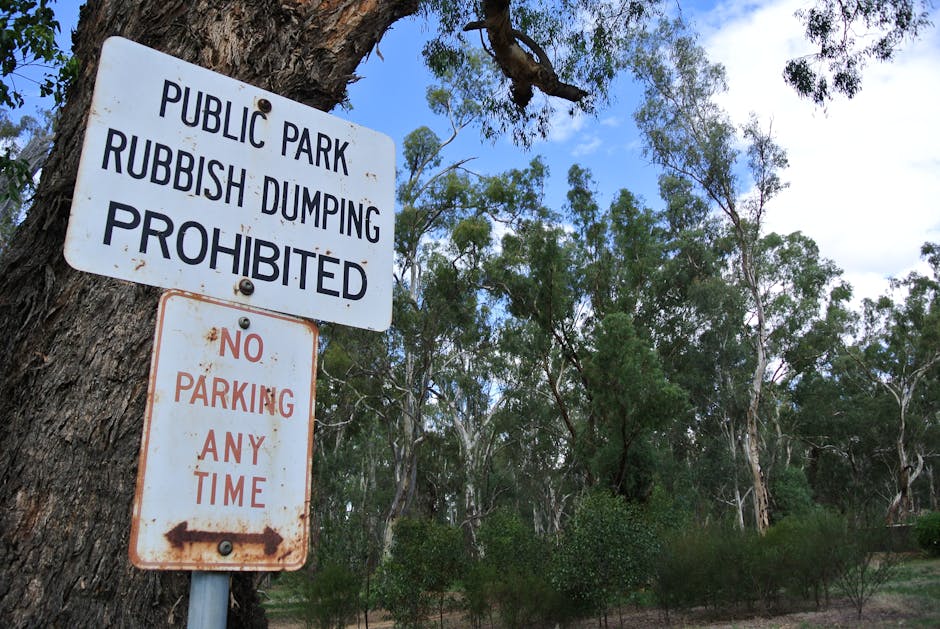
Why Avoid fines: pavement and parking rules for Emerson Park moves Matters
Pavement and parking issues are not a small admin detail. They can affect the whole move: the time it takes, the safety of your belongings, the mood of the day, and whether you end up paying for something you could have avoided. In Emerson Park, where residential roads can be tight and vehicle access is often more awkward than it looks on a map, the margin for error can be thin.
There is also a simple reality here: moving vehicles are not just "there for a minute" in the eyes of the street. If a van obstructs pedestrians, sits on a restricted bay, or partially blocks a driveway, it may create complaints quickly. And once a complaint starts, even a small delay can spiral. A fine is irritating; a delayed move is worse.
For home movers, landlords, students, and small businesses alike, the cost of not planning is usually felt in one of three ways: penalties, extra waiting time, or damage caused by rushed loading. That is why it helps to think about parking before you think about lifting the sofa. A lot of people do the opposite. Fair enough, until the back doors need to open and there is nowhere sensible to stop.
Expert summary: The safest moving plan is rarely the most convenient-looking one. It is the one that gives the van enough room, keeps pavements clear, and leaves a clean route from door to vehicle.
If you are still at the planning stage, it can also help to read about general moving preparation in how to achieve a smoother move without the stress and the practical advice in packing your belongings properly for a move. The more organised your loading plan, the less time the vehicle needs to stay parked outside.
How Avoid fines: pavement and parking rules for Emerson Park moves Works
The basic principle is straightforward: the move should happen without creating avoidable obstruction or using a parking position that breaks local restrictions. In real life, that means checking where a van can stand, how long it can remain there, whether the pavement will stay clear, and whether your loading point affects neighbours or pedestrians.
Most moving-day parking problems fall into a few familiar categories:
- parking on yellow lines or in a restricted bay without permission;
- blocking a dropped kerb, driveway, or garage entrance;
- stopping in a way that narrows the road too much for traffic;
- parking partly on the pavement where this is not appropriate or safe;
- forgetting that short-term loading still needs to respect the space around the vehicle.
What catches people out is that "just loading up quickly" is not the same as "no rules apply". A delivery-style stop can sometimes be acceptable in one location and a complete non-starter in another. That is why local judgement matters. Emerson Park has a mix of residential streets, busier connecting roads, and access points that can get awkward at peak times. The road might look open enough, but if the vehicle is too long, too wide, or badly positioned, things can go sideways fast.
Another point that is easy to miss: if the move involves a larger vehicle, your parking plan should be designed around unloading efficiency, not only legality. A van parked legally but fifty metres from the front door might still be a poor choice if your furniture is heavy, the weather is poor, or stairs are involved. You will notice the difference, trust me.
For more local movement challenges, the article on manoeuvring narrow streets during removals in Emerson Park is especially useful, and so is the guide to access issues on Hornchurch High Street for removal vans. Both help frame the bigger picture: access is not just about driving in, it is about planning the whole stop.
Key Benefits and Practical Advantages
Getting parking right does more than avoid a ticket. It gives the move a rhythm. You can load steadily, protect items properly, and keep the team focused instead of constantly shifting the vehicle. That sounds minor, but on moving day, small efficiencies matter.
Here are the big advantages:
- Fewer fines and disputes: obvious, but worth saying. A good setup reduces the chance of penalty notices or neighbour complaints.
- Safer lifting: shorter carrying distances reduce the chance of accidents, strains, and bumps against door frames or kerbs.
- Less damage: when items are moved directly between door and van, there is less opportunity for scuffs and drops.
- Faster turnaround: the loading process becomes cleaner and more predictable.
- Better relations with neighbours: fewer blocked paths and less confusion about what is happening outside their homes.
There is also a quieter benefit: less mental clutter. A move already asks a lot of you. If the parking plan is sorted, one major headache is gone. That frees you up to focus on the things that actually need your attention, like fragile boxes, keys, and whether the kettle has already been packed away by mistake. Happens more than people admit.
If your move involves large or awkward pieces, a service with the right vehicle and handling plan can save time and stress. You may find furniture removals in Emerson Park helpful for bulky items, while tips on safely relocating a piano are worth a look if the move includes something especially delicate.
Who This Is For and When It Makes Sense
This guidance is useful for almost anyone moving in or out of Emerson Park, but it matters most where access is tight, the load is large, or the schedule is unforgiving. In other words, the exact situations that often happen in real life.
You will benefit most if you are:
- moving house and need the van as close as possible to the entrance;
- relocating from a flat with stairs, shared access, or limited roadside space;
- moving student belongings with a tight timetable;
- managing an office relocation where footfall and loading times must be carefully handled;
- doing a same-day move and cannot afford extra delays;
- handling heavy or fragile pieces that need direct access to the vehicle.
It also makes sense when the move happens near school runs, busy commuter periods, or periods when neighbours are likely to be out and about. Emerson Park is not a place where you want to discover, too late, that your chosen parking spot is also everyone else's preferred turning point.
For people moving from smaller properties or shared buildings, a bit of route planning goes a long way. If you are moving out of a compact place, have a look at flat removals in Emerson Park and, for students with limited time and storage, student removals in Emerson Park. These situations often need quicker loading and a tighter parking strategy than standard house moves.
Step-by-Step Guidance
The easiest way to avoid fines is to think like a moving crew before moving day arrives. Not glamorous, I know, but it works.
- Check the access route first.
Walk from the property to the road and notice obstacles: parked cars, narrow pavements, low branches, corners, and any point where a van might struggle. Do this in daylight if possible. - Decide where loading should happen.
Choose the closest safe point, not just the nearest point. Sometimes a slightly longer carry is better than a risky stop. - Measure the practical space.
If the van needs its doors fully open, make sure there is room for that plus space for people to move around it. - Think about the pavement.
Pedestrian routes should stay clear wherever possible. If boxes or furniture will pass over a narrow section, plan it so the crew can move one item at a time rather than creating a bottleneck. - Check for restrictions and time limits.
Parking signs matter, even if the stop is brief. If a loading bay, permit area, or restricted street is involved, build that into the plan early. - Confirm the loading order.
Heavy items first, fragile items protected, and frequently used essentials kept apart. The less shuffling around you do on the pavement, the better. - Keep a backup option.
Have a second loading point in mind in case the preferred space is occupied on the day. That happens. Quite often, actually. - Do a final street check before unloading.
Things change quickly. A spot that looked free an hour ago may now be taken by a neighbour, bin collection, or another delivery vehicle.
If you are unsure about the timing or logistics, it can help to compare service options before the move. The article on how to compare confusing removal quotes in Emerson Park can help you spot whether a quote properly accounts for access issues, loading time, and vehicle suitability.
Expert Tips for Better Results
The best moving days are rarely the most complicated ones. They are the ones where the boring details were handled early. Here are a few practical tips that make a real difference.
1. Load the van from the shortest safe route
Do not chase the absolute closest stop if it creates problems with access or parking conditions. A cleaner route from front door to van beats a clever-looking but awkward manoeuvre every time.
2. Avoid parking that creates arguments
Even when a stop is technically possible, it may still upset neighbours if it blocks views, driveways, or foot access. A move goes more smoothly when the street feels respected, not conquered.
3. Keep key items separate and easy to reach
Documents, kettle, chargers, medication, and the first-night box should not be buried under the whole house. If the van needs to move unexpectedly, you do not want to unpack half the load looking for toothpaste. Nobody enjoys that at 9 p.m.
4. Reduce the number of trips to the van
Group items logically. A dozen tiny trips over a narrow pavement is a recipe for congestion. Fewer, better-planned carries are safer and more efficient.
5. Treat bad weather as part of the plan
Wet pavements, mud, and low evening light make loading slower and less safe. If the move runs into the late afternoon, a little extra caution matters. That "just one more box" mindset gets messy when the ground is slippery.
If your move is heavy on furniture, the right handling advice matters too. You may find guidance on lifting heavy objects independently useful, as well as the more general explanation of kinetic lifting dynamics. Plain English version: the better you lift, the less likely you are to strain yourself.

Common Mistakes to Avoid
Some mistakes are surprisingly common because they feel harmless in the moment. Then, two hours later, they are not.
- Assuming a quick stop is always fine. Quick still counts if the vehicle is in the wrong place.
- Ignoring pavement width. A van can be legal in theory and still create a dangerous bottleneck in practice.
- Leaving access planning until the morning of the move. That is usually when the street is busiest and the options are worst.
- Forgetting about turning space. A van that can get in but not turn or reverse safely can cause more trouble than it solves.
- Underestimating the time needed to load. If the van is parked in a short-stay or heavily restricted spot, time pressure can lead to mistakes.
- Blocking neighbours by accident. It may feel temporary to you, but it can be a genuine nuisance for them.
Another common slip is not matching the vehicle to the property. A larger van is not always better if the street is cramped. On the other hand, a smaller vehicle may mean more trips and more exposure to parking issues. There is a balance, and that balance depends on the street, the load, and the time available.
For urgent or condensed schedules, it may be worth looking at same-day removals in Emerson Park or the practical notes in urgent move solutions for same-day clearance. Time pressure is where parking mistakes multiply. Happens fast.
Tools, Resources and Recommendations
You do not need a complicated toolkit to avoid fines, but a few practical items can make access safer and easier.
- Measuring tape: useful for checking door widths, turning points, and the space needed around the van.
- Printed move plan: if your phone dies, gets wet, or disappears under a pile of boxes, a paper copy still works.
- Box labels: keeps loading organised, which shortens the time the van needs to stay parked.
- Blankets and straps: protect items so you do not need to keep reloading or reshuffling them outside.
- Protective gloves: useful when lifting from kerbs or handling rough surfaces.
- Door mats or floor protection: especially helpful if the route between property and van is muddy or wet.
Recommended reading from within the site includes decluttering before a move, which can reduce the overall load, and packing and boxes in Emerson Park, which helps you plan what should be ready before the van arrives.
If you are storing items between properties, space planning becomes even more important. A short-term stop is one thing; repeated loading and unloading due to poor preparation is another. For that, storage in Emerson Park can be part of a smarter move plan.
Law, Compliance, Standards, or Best Practice
Parking and pavement rules sit within the normal expectations of UK road use and local enforcement. The exact restrictions in a given street can vary, so it is sensible to treat signs, markings, and access points as the first authority on the ground. In plain language: if a bay says loading only, loading only is what matters. If a pavement is narrow, do not assume pedestrians can simply squeeze past.
Because moving work is local and variable, best practice is more useful than guesswork. Good practice usually means:
- keeping pavements and dropped kerbs unobstructed where possible;
- choosing a vehicle size that suits the street;
- planning loading times to reduce exposure to restrictions;
- using a polite, methodical approach with neighbours and pedestrians;
- checking whether a loading arrangement is practical before the moving team arrives.
For more formally managed jobs, especially where larger vehicles, heavier items, or time-sensitive access are involved, professionalism matters. Clear communication, sensible vehicle positioning, and careful handling are not just nice extras; they are the foundations of a trouble-free move.
If you want to understand how a moving provider may handle these responsibilities, the company's health and safety policy and insurance and safety information are sensible places to look. For service scope, services overview can also help you decide what level of support you need.
Options, Methods, and Comparison Table
There is more than one way to handle access for a move. The right choice depends on your property, street layout, and how much you are moving.
| Approach | Best for | Pros | Drawbacks |
|---|---|---|---|
| Park as close as possible | Short moves with good roadside space | Fast loading, less carrying, less fatigue | Can fail badly if restrictions or congestion are ignored |
| Park slightly further away in a safer spot | Narrow streets or restrictive parking | More predictable, less likely to cause obstruction | Extra carrying distance and time |
| Use a smaller vehicle | Dense residential streets, flats, limited access | Easier to place, often less awkward to manoeuvre | May need more trips or a second run |
| Use a larger vehicle with careful planning | Large house moves, furniture-heavy jobs | More efficient if access is manageable | Harder to park and position without blocking |
In many Emerson Park moves, the best answer is not the flashiest one. It is the one that gives you enough room to work without creating friction in the street. That might mean a smaller van, an earlier arrival, or a brief walk from a safer bay. Not exciting. Very effective.
Case Study or Real-World Example
Picture a typical Friday morning move in Emerson Park. A family is leaving a house with a front path, a couple of narrow steps, and a road where cars are already parked on both sides. At first, the obvious choice is to stop directly outside the front gate. But there is a dropped kerb nearby, another driveway opposite, and the road narrows more than expected once the van is in position.
Instead of forcing the issue, the moving plan shifts slightly. The van is parked where it leaves a cleaner passage for traffic, even though that means a longer carry of several metres. Boxes are loaded in grouped runs, fragile items are set aside, and furniture moves only when the route is clear. The move takes a little longer than the "obvious" option would have taken, but there is no scramble, no complaint from a neighbour, and no worrying moment where someone has to reverse blindly while carrying a mattress.
That is the pattern you want. Not perfect, just controlled. It is a small difference that saves a lot of trouble. And frankly, people remember a calm moving day far more than a fast one.
If your move involves awkward bulky items or old furniture going out at the same time, the article on what to do with bulky waste after an Emerson Park move is worth reading. It can help you avoid last-minute clutter that makes parking and loading even messier.
Practical Checklist
Use this before the van arrives. It is simple, but it catches most of the avoidable problems.
- Check whether the loading point is free of restrictions.
- Confirm that pavement access stays safe for pedestrians.
- Make sure driveways and dropped kerbs are not blocked.
- Choose the right van size for the street.
- Plan a backup parking option.
- Keep the first-load items closest to the exit.
- Group boxes by room to reduce extra trips.
- Protect fragile items before they reach the pavement.
- Allow extra time for narrow streets or busy periods.
- Brief everyone helping on where to walk and where to place items.
Quick reminder: the best moving plan is the one that looks boring on paper. Boring is good here. Boring keeps things legal, calm, and efficient.
Conclusion
Avoiding fines during an Emerson Park move is mostly about sensible preparation: know the street, respect the pavement, choose the right stopping point, and leave yourself enough time to load without rushing. If you do those things well, the day becomes much easier. You protect your belongings, keep neighbours onside, and reduce the chance of an expensive, unnecessary mistake.
There is no magic trick. Just good planning, clear judgement, and a realistic view of the road outside your property. That is usually enough. And if the move still feels a bit overwhelming, that is normal too. Most people are juggling more than they expected on moving day, even the organised ones.
Get a free quote today and see how much you can save.
With the right access plan, a difficult street stops being a problem and starts becoming just another part of the move. That is the goal, really.