Access issues on Hornchurch High Street for Emerson Park vans
Posted on 10/06/2026
Access Issues on Hornchurch High Street for Emerson Park Vans: A Practical Local Guide
If you are planning a move and Access issues on Hornchurch High Street for Emerson Park vans are already giving you a headache, you are not alone. High street loading, tighter turning space, passing traffic, kerbside restrictions, and the simple fact that one parked car can change the whole plan can all make a small job feel oddly complicated. The good news is that most access problems can be managed with the right preparation. This guide explains what tends to go wrong, how to plan around it, and what sensible choices make moving day feel much calmer.
Whether you are moving a flat, shifting furniture, collecting boxes, or arranging a fuller house move, the details matter. A well-timed arrival, a smaller van where needed, and a realistic unloading plan can save a lot of stress. Let's get into the practical side of it.
Why Access Issues on Hornchurch High Street for Emerson Park Vans Matters
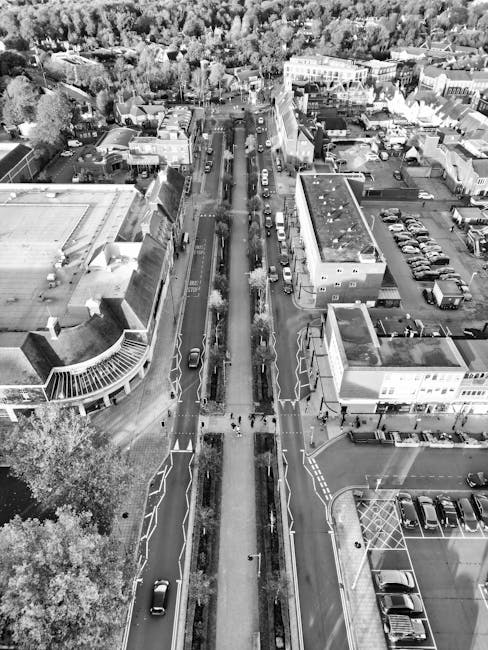
Hornchurch High Street is the sort of place where access can look simple on a map but feel very different in real life. A van may fit in theory, yet the practicalities can still cause delays: short stopping windows, traffic flow, pedestrians crossing constantly, delivery vehicles already in position, and limited space for double parking or long loading stops. If your move is based in Emerson Park, that matters even more because the whole trip can hinge on a clean handover between your property and the high street.
For removals, access is not just about "can the van get there?" It is about whether the move can happen safely, without rushed lifting, backtracking, or standing around with sofas in the rain while everyone waits for a gap in traffic. It is about time, too. A 15-minute loading issue can turn into a one-hour disruption if the plan does not account for street conditions, building entrances, or parking pressure. To be fair, that is where many local moves get messy.
There is also a business side to it. If a removal team knows the route, the likely pinch points, and the type of van that is realistic for the area, they can bring the right equipment and the right people. That is why access planning is not a luxury. It is part of making the move work.
How Access Issues on Hornchurch High Street for Emerson Park Vans Works
In practice, access planning starts before the van leaves base. A local move team will usually want to understand the property type, the volume of items, the access route, and whether there are any obstacles such as narrow entrances, steps, a busy pavement, or shared parking. On Hornchurch High Street, the aim is to reduce unnecessary waiting and keep the load/unload sequence smooth.
The process normally looks something like this:
- Pre-move assessment: The mover checks what needs collecting or delivering, where the van can stop, and whether the street layout suits a full-size van or a smaller vehicle.
- Timing plan: Arrival time is chosen to avoid the worst congestion where possible. Sometimes that means an early start; sometimes a quieter slot in the day works better.
- Vehicle selection: A larger van is not always the answer. In some cases, a more compact vehicle makes loading quicker because it can stop closer to the entrance.
- Load sequence: Heavy or awkward pieces are placed in an order that avoids repeated carrying, which is especially important if access is tight.
- On-site adjustment: If the street is busier than expected, the team may need to adapt on the fly. That is normal, honestly. The key is having a plan that can bend a little without breaking.
The best local operators do not assume access will be easy. They expect a few complications and plan around them. If you want a smoother overall move, it helps to read practical advice for a less stressful move alongside this guide.
Key Benefits and Practical Advantages
Good access planning is not just about avoiding problems. It gives you a few real advantages that show up straight away on moving day.
- Less waiting around: If the van can stop sensibly, loading is faster and everyone stays in rhythm.
- Lower handling risk: Fewer unnecessary lifts and shorter carry distances mean less chance of knocking a wall, a frame, or your own patience.
- Better protection for furniture: Large items like wardrobes, sofas, and mattresses are easier to keep secure when the transfer from property to vehicle is controlled. For that kind of item, it can help to review furniture removals in Emerson Park and the detailed guidance on protecting a sofa during storage.
- Fewer surprises: A realistic plan reduces the chance of discovering, mid-move, that the road is too tight for a long stop.
- Cleaner customer experience: Nobody enjoys standing on a pavement wondering where the van has gone. A tighter access plan feels more professional and calmer.
There is also a less obvious benefit: access planning helps you decide whether you need extra support such as packing help, furniture disassembly, or temporary storage. If the route is awkward and the property access is not ideal, a bit of pre-planning can save the day. Sometimes that is the whole difference.
Who This Is For and When It Makes Sense
This topic matters for more people than you might expect. It is not only for big house moves or bulky furniture jobs. It also applies to smaller, more everyday removals that happen to start or finish near a busy high street.
You will probably need to think about access if you are:
- moving from a flat or maisonette close to Hornchurch High Street
- collecting large furniture from a shop, storage unit, or private address
- organising a student move with boxes and smaller items that still need careful loading
- moving business stock or office equipment that cannot be left unattended for long
- arranging a same-day collection where the timing is already tight
- handling heavy or awkward items such as a piano, freezer, or bulky wardrobe
This is also useful if you are comparing a full removal company with a man and van setup. A smaller move may sound straightforward, but a narrow or busy access point can make vehicle choice more important than price alone. If you are weighing up your options, the pages on man with a van in Emerson Park and man and van support can be a sensible place to start.
Step-by-Step Guidance
Here is a simple way to approach access planning without turning it into a whole production. You do not need a fancy system. You just need a clear sequence.
- Check the layout first. Look at the street, entrance, steps, kerb height, and whether there is any realistic stopping space near the property. If possible, stand outside at the time of day you expect the move. Morning and late afternoon can feel very different.
- Measure the awkward items. Sofas, mattresses, wardrobes, and appliances often cause the most trouble. If a piece is too wide for a hall or stair turn, you need to know before the van arrives. For bed-related planning, this bed and mattress moving guide is genuinely useful.
- Decide what should be loaded first. Heavy items should not be at the back of a pile where they have to be moved twice. That sounds obvious, but it gets missed a lot.
- Clear the path inside and outside. Inside, remove clutter, loose rugs, and trip hazards. Outside, make sure bins, bikes, plant pots, or similar bits are out of the way. If you need support with tidying before the move, decluttering before a move is worth a look.
- Confirm the vehicle choice. Not every move needs a large van. In access-limited streets, a smaller vehicle may be better because it can stop closer, turn more easily, and reduce the carry distance.
- Build in a buffer. A little extra time makes a real difference if traffic is heavier than expected or a loading bay is occupied.
- Protect the fragile items. Use blankets, covers, and proper packing so the item does not arrive scratched because it had to be manoeuvred around a tight corner. If you are packing yourself, the packing tips guide gives a solid foundation.
- Review the unload point. The best loading plan can still stumble if the drop-off side is just as awkward. It is worth checking both ends, not only the pickup.
A small practical note: if you have a heavy item and a tight doorway, do not rely on brute force. It is usually a false economy. Better to pause, angle it properly, or ask for the right lifting technique. There is a good reason professionals rely on sound lifting mechanics rather than just muscling through.
Expert Tips for Better Results
These are the bits people tend to forget, even after they have moved before. Little things, but they matter. A lot.
- Book with access in mind, not just item count. Two jobs with the same volume can take wildly different times depending on street access.
- Use a smaller van if the street is awkward. Bigger is not always better. Sometimes a compact vehicle means less stress and faster handling.
- Separate the awkward items early. That piano, freezer, or mirrored wardrobe should not be buried under lighter boxes.
- Keep the entrance clear and visible. It helps the crew move in a cleaner rhythm and reduces the chance of delays.
- Be honest about what you have. If there are more boxes than you thought, say so. It is better to adjust the plan than improvise at the kerb.
- Plan around school runs, delivery windows, and local traffic peaks. If you know the area, you know how quickly the road can feel busy. One bus, one delivery lorry, and suddenly the whole street is a bottleneck.
- Think ahead if you are moving bulky or specialty items. A piano needs a different approach from a stack of boxes. For that, see specialist piano removals in Emerson Park and practical piano relocation advice.
Expert summary: The smoothest high street move is usually the one where the van is not forced to "make it work" at the last second. Good access planning beats rushed lifting almost every time.
If you want a broader service overview while you compare options, the service overview is a sensible reference point. No drama, just useful context.
![An aerial view in black and white showing a residential street with parking bays and cars parked along the road, adjacent to a row of terraced houses with pitched roofs. In the foreground, a lawn area with a large tree is visible, along with a small outbuilding and a paved path. Behind, a narrow driveway leads to the backyards of the houses, which contain garden furniture, sheds, and various household items. The street appears to be part of a quiet neighbourhood with mature trees lining the pavements. This scene illustrates a typical home relocation setting, where furniture and boxes may be loaded or unloaded from nearby vehicles, which are not visible in this portion of the image. The environment suggests a peaceful, suburban area suitable for professional removals, as operated by [COMPANY_NAME], supporting packing, moving, and furniture transport services in the local community.](/pub/blogphoto/access-issues-on-hornchurch-high-street-for-emerson-park-vans2.jpg)
Common Mistakes to Avoid
Most access problems are preventable, which is annoying in a way, because it means they are often self-inflicted. Still, better to catch them now than on moving day.
- Assuming the van can stop right outside. On a busy high street, that is often wishful thinking.
- Ignoring timing. Midday can be busier than expected, and a few minutes can change the whole street dynamic.
- Not checking turn radius or approach space. A van might technically enter a road but still struggle to position safely.
- Leaving packing until the last minute. Last-minute boxing leads to chaos, and chaos leads to poor loading order.
- Forgetting about neighbours or shared access. It is a small courtesy, but it can prevent friction and keep the day moving.
- Overloading one vehicle. This often creates more trips, more handling, and more risk than splitting the move sensibly.
One mistake that crops up again and again is trying to solve access issues with strength instead of planning. Truth be told, that approach works until it suddenly does not. Then everyone is tired and the item still has to move.
Tools, Resources and Recommendations
You do not need a truckload of gadgets to deal with access issues, but a few practical tools and habits can make the job smoother. The aim is not to make the move fancy. Just controlled.
| Tool or resource | What it helps with | Why it matters |
|---|---|---|
| Measuring tape | Doorways, hall turns, furniture dimensions | Prevents nasty surprises when items do not fit cleanly |
| Furniture blankets and covers | Protecting items during tight manoeuvres | Reduces scuffs, bumps, and corner damage |
| Boxes of consistent size | Stacking and load stability | Makes access-limited loading far easier to manage |
| Straps and trolleys | Handling heavier items safely | Improves control in narrow or uneven access areas |
| Pre-move checklist | Task sequencing | Keeps the move focused and avoids forgotten steps |
For packing and protection, the combination of packing supplies in Emerson Park and the detailed guide to lifting heavy objects independently gives a practical starting point. If your move is mixed with storage, then storage in Emerson Park can also help reduce pressure when access is awkward and timing is split across different days.
And if you are dealing with rubbish, old furniture, or last-minute clearance, the article on bulky waste after an Emerson Park move and the note on same-day clearance options may save you from a lot of faffing about. Sometimes that is exactly what you need.
Law, Compliance, Standards, or Best Practice
Access planning for removals sits within normal UK road safety and workplace good practice expectations, even when the move itself is fairly small. You do not need to turn into a compliance expert, but you do need to respect the basics: safe loading, sensible parking, clear walkways, and proper handling of goods and equipment.
For example, a moving team should avoid unsafe lifting, keep routes clear where possible, and make sure items are handled in a way that reduces the chance of injury or damage. This is where a formal approach to health and safety really helps. It is not about bureaucracy for its own sake. It is about making sure nobody is carrying a wardrobe at a strange angle while trying to dodge traffic. That sort of thing rarely ends well.
If you are comparing providers, it is sensible to look at their stated approach to safety and responsibility. Pages such as insurance and safety, health and safety policy, and accessibility statement help you understand the general standards a provider works to. If payment terms matter to you too, see payment and security information and the terms and conditions.
Best practice also includes being realistic about what the street can support. If the access point is not suitable for a large van, splitting the load, using a smaller vehicle, or scheduling at a quieter time is often the safer answer. Not glamorous, but effective.
Options, Methods, or Comparison Table
When access is tricky, you usually have a few workable approaches. The right one depends on what you are moving, how far the carry is, and how tight Hornchurch High Street feels on the day.
| Option | Best for | Pros | Trade-offs |
|---|---|---|---|
| Large van | Larger household moves with decent stopping space | Fewer trips, good for volume | Harder to position in tight streets or busy stops |
| Smaller van | Awkward streets, flats, mixed collections | Easier access, faster kerbside positioning | May need more than one trip |
| Split-load move | Moves with access pressure or staged timing | Lower pressure on one stop, more flexible | Requires careful scheduling |
| Man and van service | Smaller to medium jobs where hand-carry matters | Quick, flexible, often ideal for local access issues | Not always the best fit for very large loads |
| Full removal service | Whole-house or complex moves | More support, better coordination | More planning and cost than a simple collection |
There is no single winner here. A lot of people assume "bigger van" equals "better choice," but access problems often reward the opposite. Smaller, smarter, calmer. Funny how often that turns out to be true.
Case Study or Real-World Example
A typical local scenario might look like this: a couple moving from a flat near Hornchurch High Street into Emerson Park. They have a sofa, a mattress, a dining table, four chairs, several boxes, and a couple of awkward framed mirrors. The road outside is busy by late morning, and the property entrance is close to a footfall-heavy stretch of pavement.
If the team arrives expecting to park directly outside for as long as needed, the job can quickly become frustrating. But if they plan for a shorter stop, bring the right lifting gear, and decide in advance which items go first, the whole move becomes much smoother. The sofa and mattress are handled with protection, the mirrors are kept separate, and boxes are staged so nobody wastes time reordering them on the pavement.
In a situation like this, the important win is not speed for its own sake. It is control. You want the move to feel orderly from the first lift to the last box. A small, realistic plan beats a big optimistic one every time. And yes, sometimes the only thing standing between a clean move and a messy one is a few minutes of thinking beforehand.
If you have a more specialised item, like a piano, it is worth using a dedicated approach rather than hoping general moving muscle will be enough. A specialist route is usually safer for both the instrument and the building. That is one area where "we'll manage" can be a bit too casual.
Practical Checklist
Use this before move day. It is simple, but it catches a lot of problems early.
- Measure the largest items and the tightest access points
- Check whether the van can stop close enough to the entrance
- Confirm the best arrival time for local traffic conditions
- Clear hallways, stairs, and outside pathways
- Separate heavy, fragile, and awkward items
- Pack items in boxes that stack neatly
- Keep tools, keys, and parking details ready
- Decide whether you need storage, clearance, or specialist handling
- Review insurance and safety arrangements
- Leave a little extra time for access delays
Quick reminder: if your move involves unusual access or multiple drops, tell the mover before the day, not during it. That one conversation can save a lot of hassle.
Get a free quote today and see how much you can save.
Conclusion
Access issues on Hornchurch High Street for Emerson Park vans are manageable, but only if you treat them as part of the move rather than a minor detail. The street, the timing, the vehicle choice, and the way items are packed all affect the outcome. Once you plan for those realities, the whole experience becomes less tense and far more predictable.
That is really the aim here: not perfection, just a move that feels under control. A bit of preparation, a bit of local awareness, and a sensible load plan go a long way. When the van pulls away and everything has landed safely, you will be glad you took the time. Honestly, it makes all the difference.